
1. Common Failure Phenomenon: Good Surface, Weak Inside
Many manufacturers encounter a puzzling issue when ultrasonic welding plated plastic parts:
· Immediately after welding, the appearance looks normal — the weld seam is neat, and the plating layer appears intact;
· However, during a manual torque or peel test, the welded part snaps apart with little force;
· During air tightness testing, significant leakage occurs, failing to meet sealing requirements.
This is the classic definition of false welding or pseudo-welding — incomplete fusion with weld strength far below the required standard. More troubling, this defect is often invisible during visual inspection and only reveals itself during destructive or functional testing, creating significant risks for mass production.
2. Root Cause Analysis: How Does the Plating Layer “Block” Energy?
To understand this problem, we first need to understand the basic principle of ultrasonic welding. Ultrasonic welding uses high-frequency vibration (typically 20-40kHz) to generate frictional heat at the plastic interface, melting and bonding the plastic. The prerequisite for this process is: the vibration energy must be effectively transmitted into the plastic substrate to be welded.
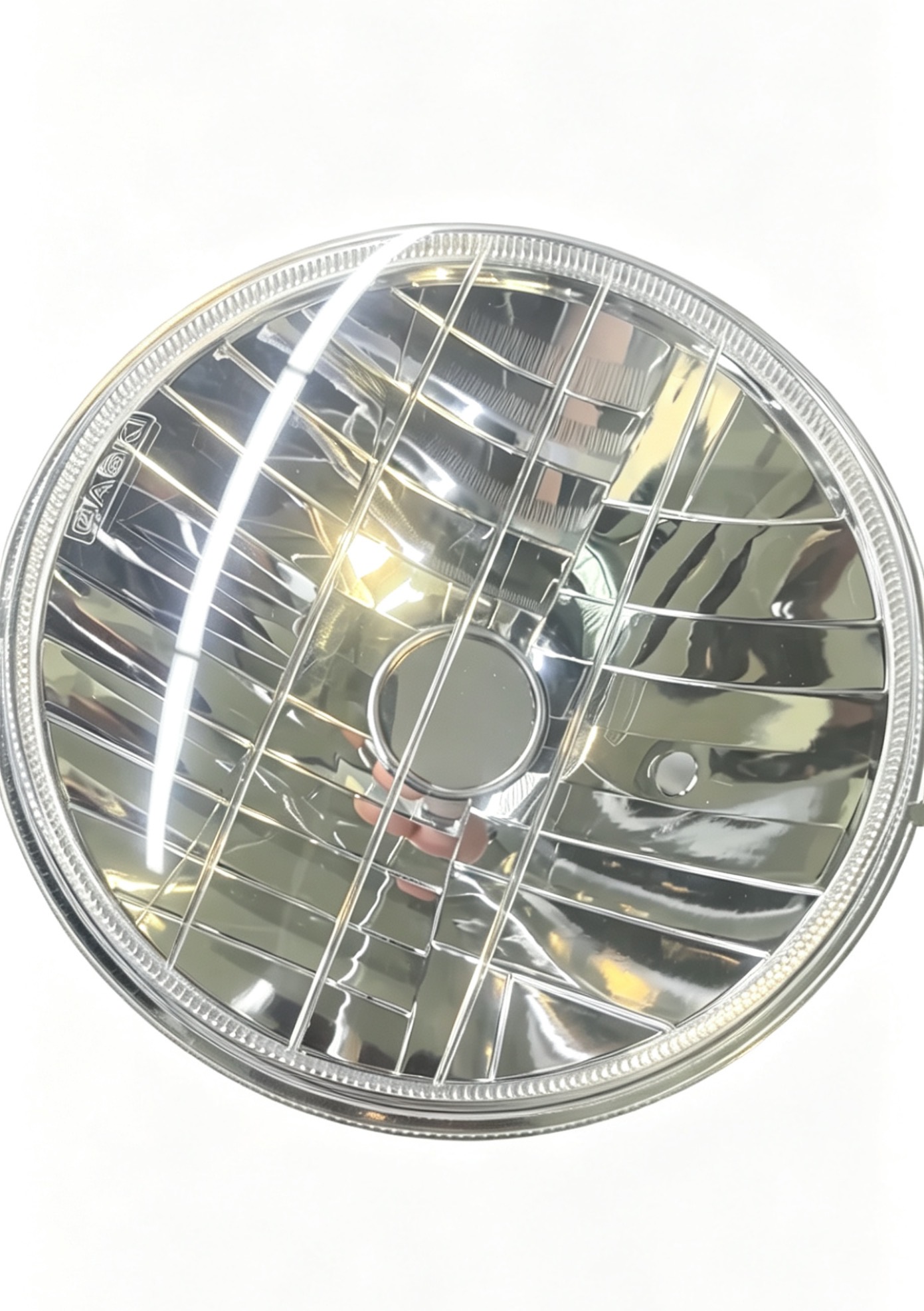
The presence of a plating layer fundamentally changes this condition.
2.1 Physical Characteristics of the Plating Layer
The plating layer (typically chrome, nickel, or copper) has the following characteristics:
· High hardness — much harder than the plastic substrate;
· Smooth surface — very low coefficient of friction;
· Good thermal conductivity — heat dissipates easily rather than concentrating;
· Ultrasonic wave transmission behaviour — does not readily absorb ultrasonic energy; instead, tends to transmit it laterally or reflect it.
2.2 Energy Transmission is Blocked
When the ultrasonic horn contacts the plated surface:
· Most of the vibrational energy is blocked or reflected by the plating layer;
· The small amount of energy that does reach the plastic substrate is significantly attenuated by the “cushioning” effect of the plating layer;
· The result: the surface may show signs of melting, but the underlying plastic never reaches its melting temperature, and true molecular-level bonding cannot occur.
2.3 Amplifying Effect of Improper Process Parameters
If the welding parameters (amplitude, pressure, time) or horn configuration are not properly matched, the problem worsens:
Parameter Issue Consequence
Excessive amplitude Plating layer cracks or peels instantly — cosmetic failure
Excessive pressure Plating layer cracks under pressure; weld misalignment
Insufficient pressure or time Energy cannot penetrate the plating layer at all
Poor horn design Uneven energy distribution — local over-welding or missed welding
3. Common but Ineffective Customer Attempts
In actual production, we have observed many customers trying the following approaches — usually with poor results:
Wrong Approach Resulting Problem
Blindly increasing amplitude Plating layer bursts or peels — cosmetic failure
Extending weld time Surface overheats and chars, but interior remains unfused
Increasing weld pressure Cracks the plating layer, causing stress whitening or cracking
Switching to a harder horn No improvement in energy transmission; risk of tooling damage
The common problem with all these approaches is: they treat the symptom, not the root cause. None of them solve the core issue — that energy cannot penetrate the plating layer.
Dongguan Mingyang Ultrasonic Equipment Co., Ltd. has been deeply engaged in the ultrasonic welding field for over 12 years and is a professional ultrasonic welding machine manufacturer based in Dongguan. We focus on the R&D, production, and customization of ultrasonic plastic welding machines, ultrasonic metal welding machines, hot melt machines, high‑frequency induction welding machines, rotary fusion welding machines, and welding tooling molds. Integrating mature welding technologies, our equipment is stable, durable, and offers high welding accuracy.
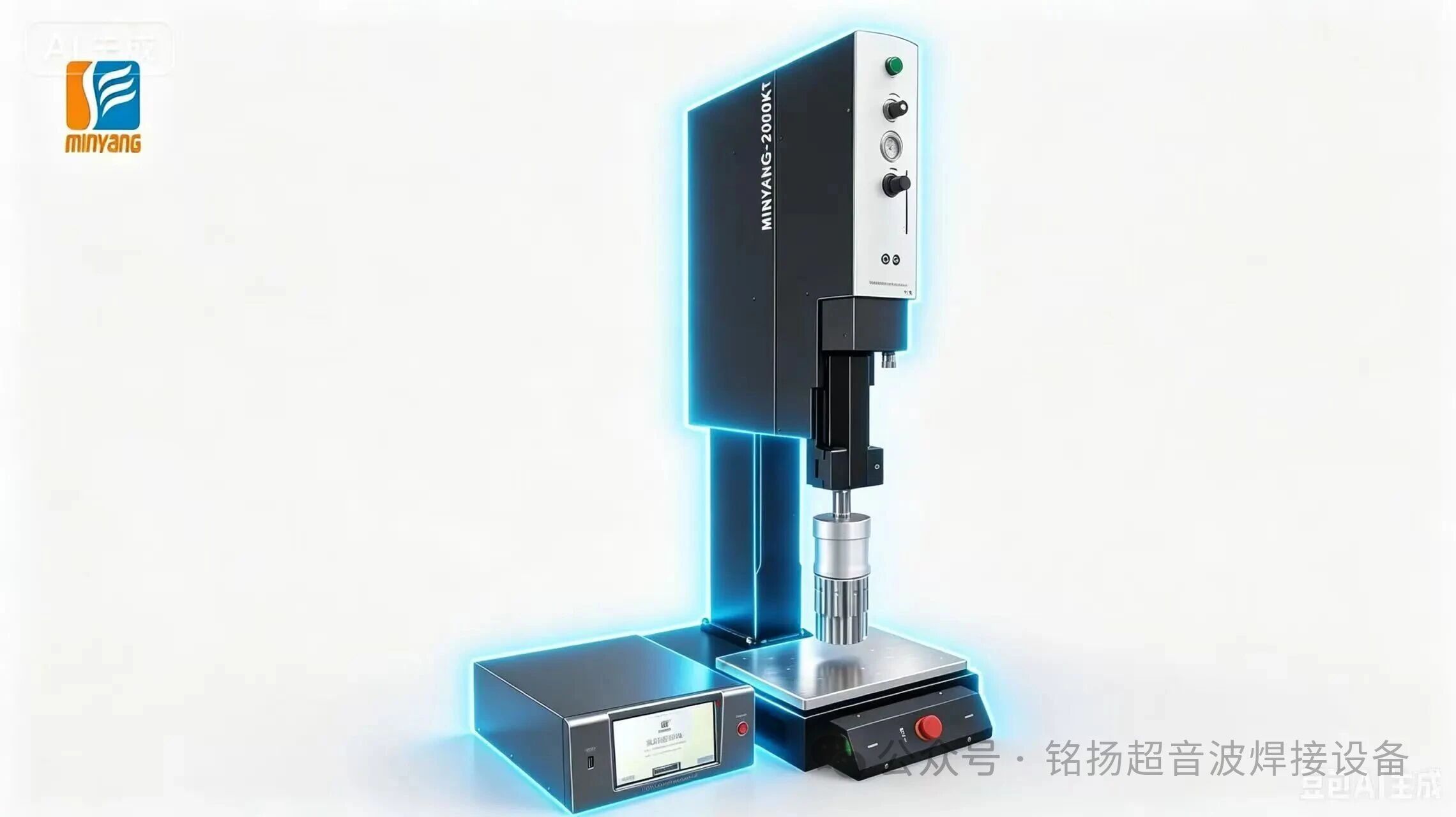
Our products are widely used in industries such as medical devices, electronic appliances, auto parts, plastic products, and non‑woven fabrics. We provide one‑stop ultrasonic welding solutions and, with solid technical expertise and comprehensive after‑sales service, help enterprises achieve efficient production.
Contact us for free case‑specific technical support and sample welding.
Post time: Jun-03-2026